honda used car warranty essentials for buyers
I'm a practical owner first, shopper second. A honda used car warranty earns priority in my checklist because it protects cash flow and time. Coverage details shift by model year, mileage, and who's backing the plan, so clarity beats assumptions.
What it usually covers
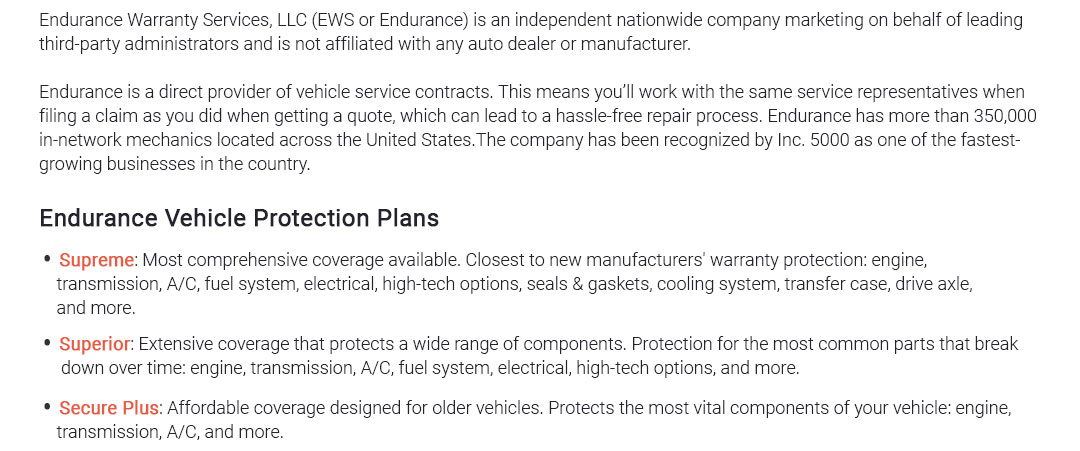
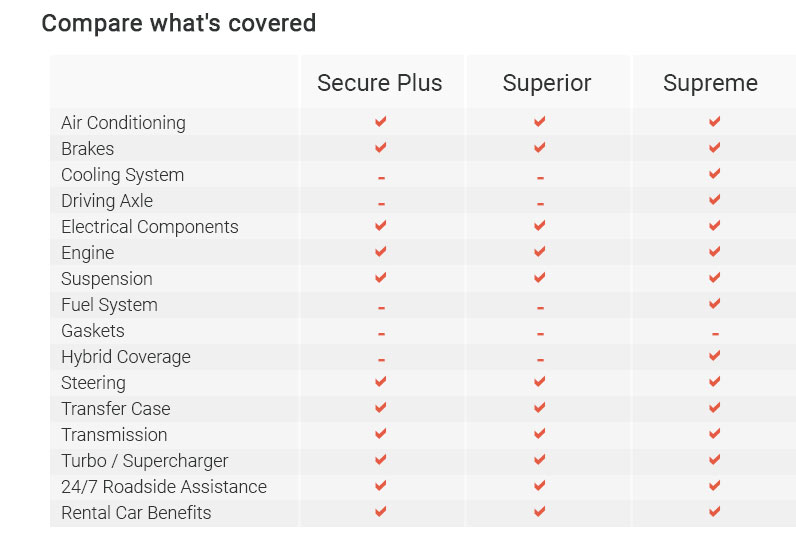
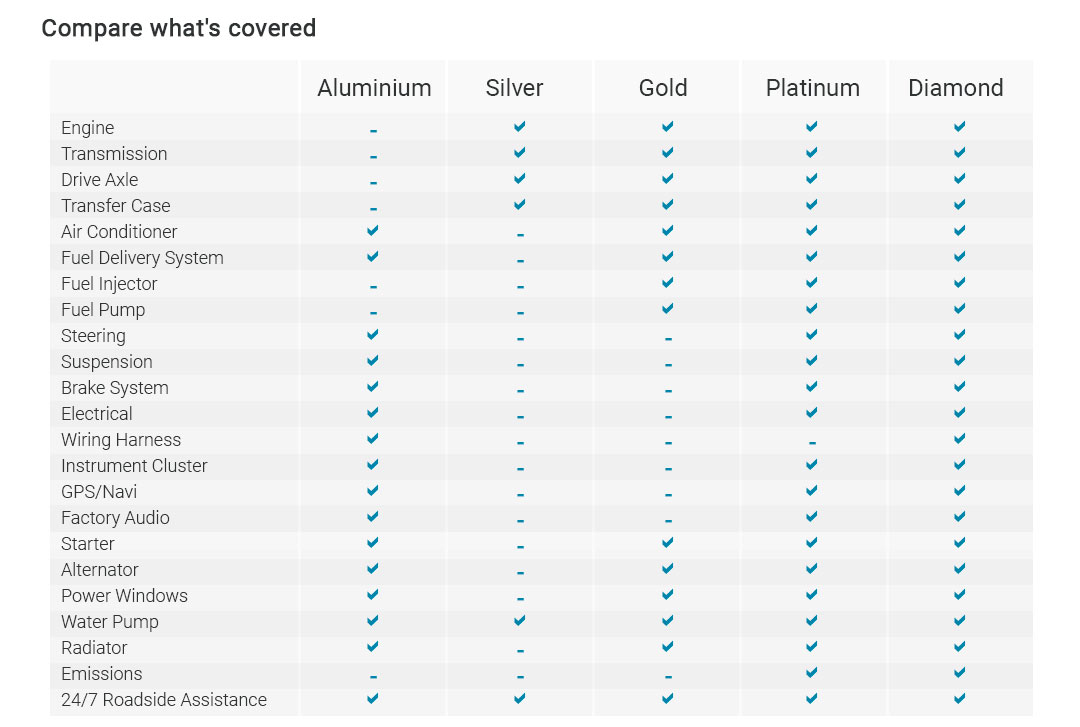
Most plans center on the powertrain (engine, transmission, drive systems). Some add electronics, steering, suspension, air conditioning, and more. Roadside assistance and rental reimbursement may be included, but not always.
- Factory warranty remainder: Whatever's left from the original new-car terms, based on the in-service date and mileage.
- Certified pre-owned (CPO): Honda-backed inspections plus extended coverage tiers; specifics vary by tier and age band.
- Dealer-limited warranties: Short-term coverage with narrow parts lists.
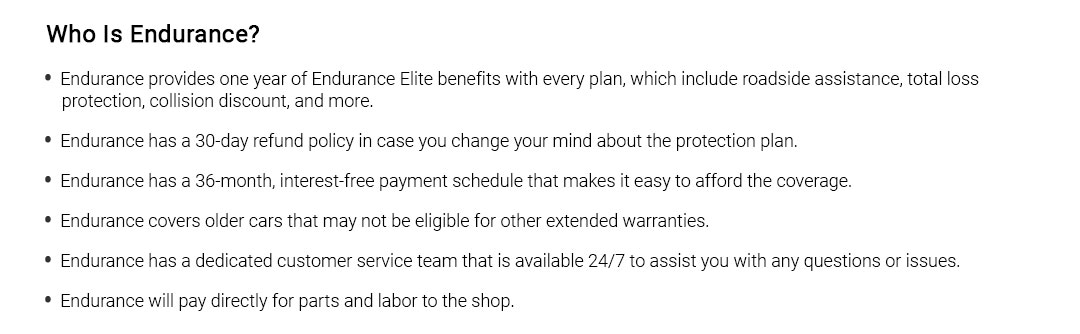
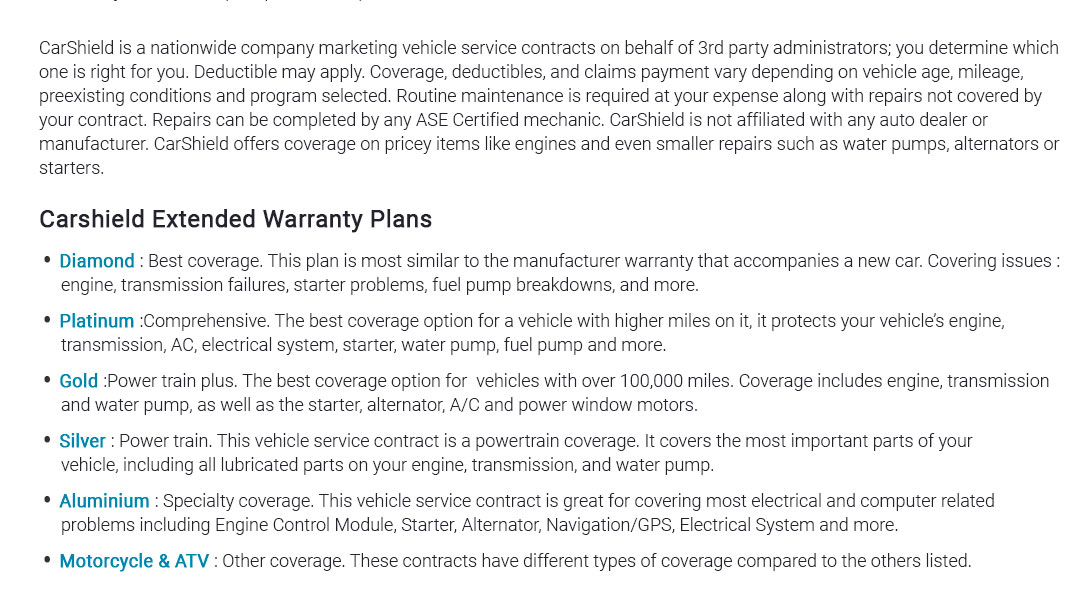
- Extended service contracts: Optional plans that broaden time/miles; coverage depends on the level you choose.
Realistic check: If someone says "bumper-to-bumper," ask for the page that lists what's not covered. That page saves surprises.
Key terms that matter
- In-service date: Start line for factory/CPO timelines.
- Deductible: Per-visit or per-repair? It changes total cost.
- Transferability: Can you pass it to the next owner? Often adds resale value.
- Coverage level: "Powertrain" vs "exclusionary" (lists what's excluded). Read both lists.
- Maintenance rules: Keep receipts; missed services can void coverage.
- Modifications: Aftermarket parts or tuning may limit claims.
Priority checks before you buy
- Confirm status with the VIN. Ask for written coverage dates and mileage limits.
- Read the contract booklet front to back. Skim exclusions twice.
- Get a pre-purchase inspection. Note leaks, warning lights, or non-OEM parts.
- Check service history. Regular oil changes matter to powertrain claims.
- Verify the claims process: who approves, who pays, and how rentals work.
Value: how to weigh cost vs coverage
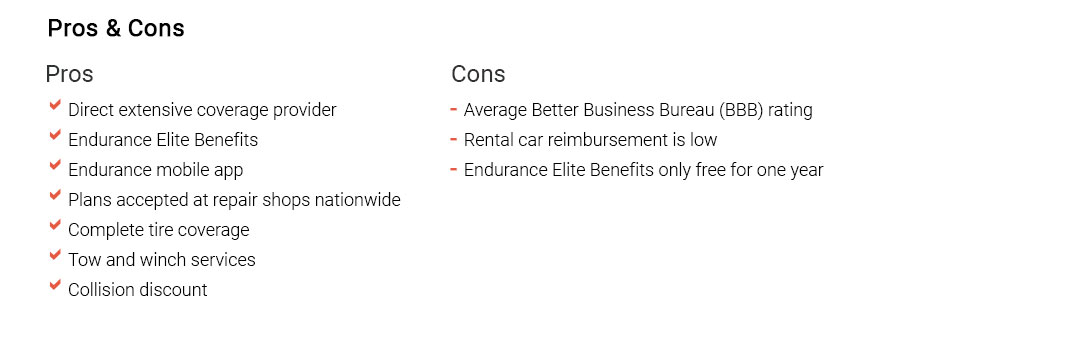
Think in probabilities, not hopes. Add up realistic repair risks for your mileage and driving style. If a plan costs less than a plausible major repair and covers that system, it can be a strong value. If your driving is low and the car's history is clean, you might prioritize a smaller deductible and roadside help over long duration.
Common exclusions
- Wear items: brake pads, rotors, tires, wiper blades.
- Fluids, filters, and alignments unless tied to a covered repair.
- Cosmetic trim, upholstery, glass chips, weatherstripping.
- Damage from neglect, overheating, or continued driving after a warning light.
- Aftermarket electronics or performance parts causing failures.
How claims usually work
- Bring the car to an approved shop or Honda dealer.
- Diagnosis and pre-authorization happen before repair.
- Provider pays covered parts/labor; you pay the deductible and uncovered items.
- Keep all invoices and diagnostic notes for your records.
Real-world moment: On a wet Sunday, my neighbor's 2019 Accord threw a warning light. The certified plan covered towing, the diagnostic, and the repair; he paid only the deductible and drove a rental to work Monday. Quiet confidence has value.
Negotiation and transfer tips
- Ask if the warranty is transferable and if there's a fee or time window.
- For paid service contracts, check for prorated refunds if you sell early.
- Bundle only if the plan fits your risks; never buy on pressure or FOMO.
Quick clarifications
- Emissions and safety recalls are handled separately from warranties.
- Maintenance plans are not the same as repair warranties.
- Roadside can be a tie-breaker if you commute far or park street-side.
My approach is simple: prioritize essential coverage, verify in writing, and value the plan by how it handles the repair you'd most hate to pay for out of pocket. If those three line up, the honda used car warranty earns its place.